

Supported Living for Adults with IDD in Maryland
What Is SEEC’s Supported Living Department?
Live the way you want—with the right support
SEEC’s Supported Living department helps adults with intellectual and developmental disabilities live in homes they choose. Each person gets the support they need to live safely, comfortably, and as independently as they choose.
SEEC helps each person identify what is important to them: the location of where they live, the resources they want to live near and who they want to live with, if anyone.
SEEC does not operate group homes. All Supported Living services take place in community‑based homes chosen by the person.
Supported Living supports are tailored to each person. Support may range from scheduled daily help to overnight or 24‑hour support, depending on what a person needs to thrive.
Supports may include help with:
- Daily living skills, such as cooking, cleaning, and laundry
- Budgeting, paying bills, and managing a household
- Health and safety
- Medications and coordination with nursing services
- Building routines for independence
- Getting out into the community and taking part in activities• Coordinating with family members, roommates, and natural supports

Who Is Supported Living For?
Supported Living supports adults who:
- Want to live in their own apartment, townhouse, or home
- Need ongoing support to live safely and thrive in a home of their own
- Benefit from consistent, personalized daily support
- May live alone or with a roommate they choose
- Want flexibility in when and how support is provided
SERVICES
SEEC’s Supported Living offers three services: Supported Living, Personal Supports and Moving Out.
Supported Living and Personal Supports
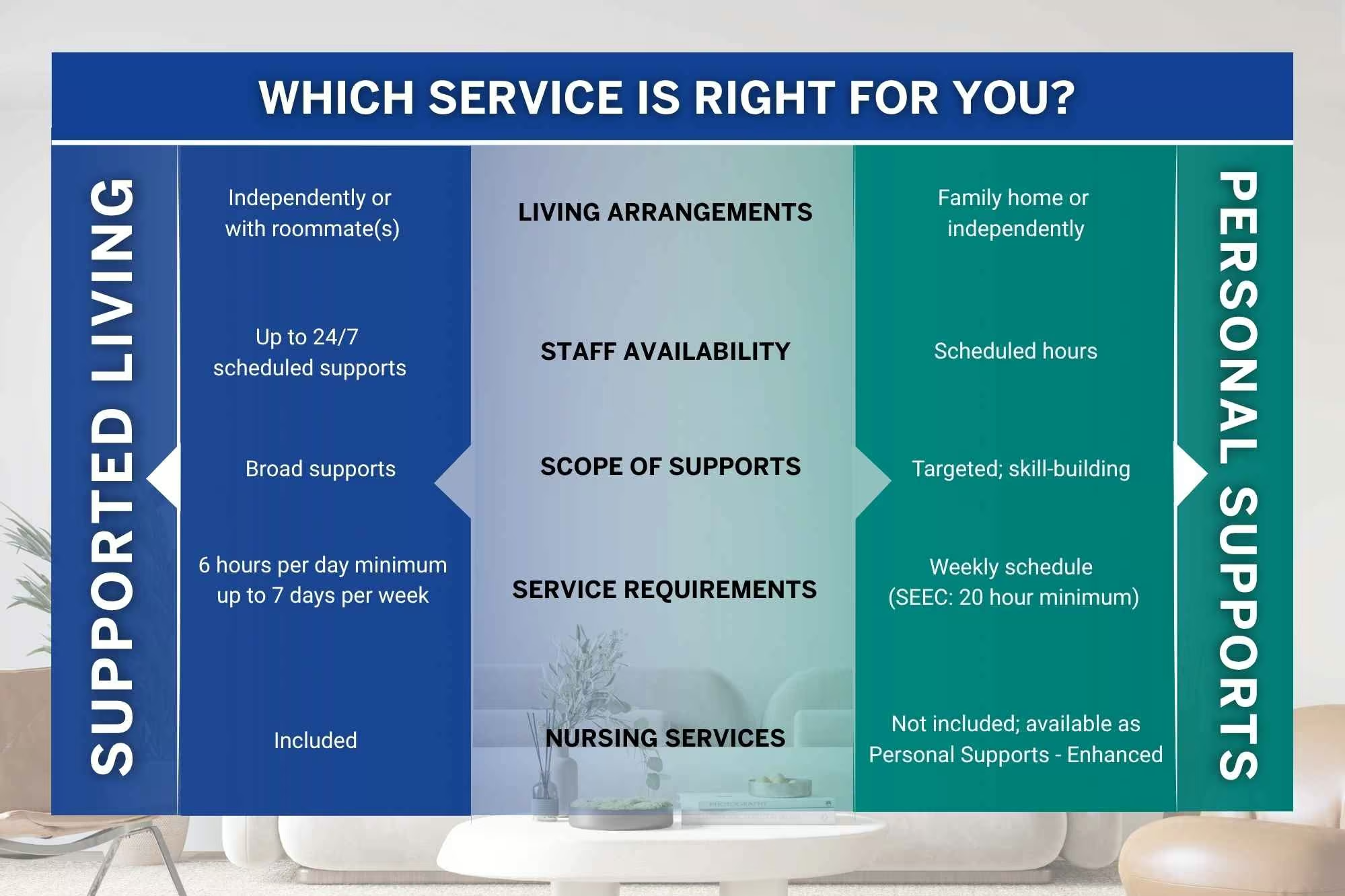
Supported Living and Personal Supports are different services designed for different living situations and support needs.
Our team can help people and families decide which service is the best fit. Many people who live with their family receive personal supports and then transition into Supported Living when they move into their own home.
Supported Living services are often a good fit for people who:
- Live in their own home
- Need more consistent or intensive daily support
- May need overnight or 24‑hour support
Personal Supports services may be a better fit for people who:
- Live with family or independently
- Need intermittent scheduled support
- Want help building specific skills or getting targeted support
Moving Out
“Moving Out” is a program designed to support adults, along with their families, interested in establishing a pathway to independent living. Over the course of three months, participants engage in a collaborative process to create a personalized housing plan tailored to their unique needs and aspirations. After the three-month program, housing plan implementation can continue as a Housing Support Service.
The program consists of group sessions and one-on-one meetings. Participants learn about topics related to community resources, budgeting, housing options, and the personal adjustments of moving. The goal is to determine the level of support needed to thrive independently.

What Makes SEEC’s Supported Living Department Different?
- Homes are chosen by the person—not the provider
- Flexible support levels, including 24‑hour support when needed
- The use of remote support for people who want fewer people in their home
- Experienced Direct Support Professionals
- Strong focus on dignity, choice, and independence
- Long‑term support as needs and goals change
- Roommate matching
- Rent subsidy
Funding
Supported Living funding sources include:
– Maryland Department of Developmental Disabilities Administration’s Supported Living
– Personal Supports, and
– Housing Support Services
How to Get Started
For specific questions please email outreach@seeconline.org or
submit an inquiry to get started.